




KVRA
Orquesta
The Claude Code my partners and I work in: it makes images, music and video, puts sites into production and builds software with a team of agents, and none of it looks AI-made.
- I designed it and I maintain it
- KVRA Agency's kit for Claude Code, which I designed
- Since February 2026, as CTO of KVRA Agency
- Claude Code · Google Cloud · Cloud Run · JavaScript · Python · Bash
The challenge
Out of the box, Claude Code is made for people who write code. My partners don't, and they needed the same chat to make images, music and video, to put a site online with its domain, server and database, and to deliver work that doesn't look AI-made, with a weekly limit that goes further.
The hard part was handing that power to people who don't read the code: nothing paid runs before the person sees the figure, every result is checked before it is shown, and every partner has a version of the kit adapted to them, which gets updates through its own channel.
What I built
A complete Claude Code setup: rules, 13 agents, 26 skills, 5 workflows, hooks and a mod of its own, plus a bridge on Cloud Run that pays for images, music and voice from shared Google credits. It runs on macOS and Windows. Next comes its own app, the way CAA Suite started inside Claude Code before becoming one.
What it does
Ask in your own words
My partners aren't engineers. They write what they want, and Orquesta picks the tool, says what it costs, checks the result before showing it, and hands it over.
Images
Request: I need a photo of a pour-over coffee for a post, in morning light.
Google image generation, on the shared credits
- Writes the whole prompt: framing, light, materials and the empty space for the post's text.
- This costs ~0.0443 USD (~148 COP).
- Looks at every image at 100% before showing it to you.



Music
Request: Put music on the chapter.
Google music generation, on the shared credits
- Writes the prompt with Google's own guide: dark champeta, Caribbean instruments, tempo and structure.
- Cost 0.08 USD.
- Listens to all of it, measures its beat and cuts it bar by bar, so every cut lands on a beat.
Video
Request: Make the brand film for the store.
CAA Suite Core, my AI video factory
- Shows you the credits it will spend and waits for your OK.
- At most three options, each changing one thing, for you to choose from.
- Helper agents who don't know the intent check it blind before every paid send.
Editing
Request: Produce this chapter from what came out of CAA Suite.
CAA Films: it edits and produces video by code, with no editor to open
- Measures every cut, and the voice every 0.1 s, to freeze each character in a silence.
- Upscaling the six scenes: 20 credits. Music: 0.08 USD.
- Every character card lasts one bar and lands on a beat.
Online
Request: Put the site online with its domain and its database.
Google Cloud, from the chat
- Asks before any step that costs money or can't be undone.
- Sets up the server on Cloud Run, the database on Cloud SQL and the domain.
- Checks the live site: frame timing at 4× slower CPU, a smoke test and a walkthrough as a person.
Software
Request: Rebuild my portfolio from zero.
The agent team: an architect, scouts, builders and reviewers
- Saves your words in a plan on disk and asks you what only you can decide.
- Small briefs, each with a test that can fail, and builders working in parallel.
- Tests, privacy, frame timing, a fresh-context reviewer and a walkthrough as a person.
- Nothing goes live without your OK.
Taste
Taste is a rule too
Before it shows you a page or a piece, Orquesta looks for the 43 defaults an AI leaves when nobody decides, and removes them. Drag to see the same card before and after.
Take your brand to the next level 🚀
It's not just a tool, it's a revolution. Supercharge your content effortlessly.
- AI-powered
- Effortless
- Next-gen
- 10x faster
- 99.9%
- 24/7
Images, music and video from the same chat
Every action says what it costs, before and after. The music of Hora Dorada's first chapter cost 0.08 USD.
What the scan removed
- indigo→violet gradient
- gradient-clip headline
- emoji everywhere
- max-radius / glassmorphism
- badge / pill spam
- invented stat row
- “Not X, it's Y”
- “to the next level”
What stands out
- Images, music, voice and video in the same chat, none of which Claude Code makes on its own. Every image, song or voice says what it will cost before, and what it cost after.
- My partners aren't engineers, and they ship on their own: domains, Cloud Run servers and databases, by asking in the chat. One of them has already put their first websites into production practically without my help.
- Taste is a rule too: before anything is shown, the defaults an AI leaves when nobody decides are removed, text follows a guide against AI tells, nothing is invented and no motion stutters.
- The limit goes much further, on purpose: every agent works with the model and the effort its job calls for, measured on a bench of real tasks, and starts with 82% fewer tokens, because a mod of the kit's own leaves it only what its job needs. My partners describe the change as night and day.
By the numbers
- 5KVRA members use it daily
- 26skills in the kit
- 123versions since July 2026
When the job is software
Step 01
My request goes word for word into a task plan on disk; a hook reloads it whenever the context is compacted, so no spec gets lost.
Step 02
Scout agents map the code and trace what a change would break; the architect puts every decision that is mine to me as options, with its recommendation.
Step 03
The architect writes small briefs: the files each one touches, what it must not break, and a runnable test that can fail.
Step 04
Builders run in parallel, one writer per file, each on the cheapest model that passes its check; a failure climbs one tier, with the evidence.
Step 05
Scripted gates (tests, type check, privacy scan, frame timing at 4× slower CPU), a reviewer in a fresh context, and a walkthrough of the real app as a person.
Step 06
Nothing ships without my OK; after the deploy, a workflow checks the live site: frame timing, a smoke test and a walkthrough.
Every agent, its model and its effort
- ArchitectUnderstands the request, plans, writes the briefs and judges what comes back.
- ScoutLocates and maps the code.
- TracerTraces how the code behaves and what a change would break.
- Light builderA bounded, fully specified change, with its test.
- BuilderBriefs that span several modules.
- Expert builderThe hard parts, and everything that touches security.
- ReviewerHunts real defects in a fresh context.
- WalkthroughUses the real app as a person and reports what looks wrong.
And every agent loads only what its job needs. A mod of the kit's own (an add-on that changes how Claude Code behaves) hands the rules for leading the work only to the session that leads; before, every agent loaded them. In a controlled test on 5 October 2026, what an agent loads before it starts went from 26,763 tokens to 4,721, 82% fewer.
What I automate, and what I don't
What the agents do
- Planning the work
- Code written in parallel
- Automated tests
- Cross-reviews between independent agents
- Security audit
- A visual walkthrough of every screen
What stays with people
- Product decisions
- Human QA
- Final sign-off before delivery
More done in less time, with every piece verified by scripts, by independent reviewers and by people.
A real run
This site is the demo
I rebuilt this portfolio from zero with Orquesta. Here is the real run, afternoon to night.
What was new
Inventory of the work since the last version
First version, in parallel
Architect: design system, home page and project template
Listen to Eva and the diagrams
Delamark's 24 hours
How I build and this chart
Video shelf
Tests and scripts
Inventory of candidate videos
Checks, walkthrough and review
4 browser tests failed · 9 visible defects · 1 critical and 7 major findings in the code
Unit and browser tests · privacy scan · frame times at 4× slower CPU · Lighthouse
Walkthrough as a recruiter (real browser, phone and laptop, both languages)
Independent code review
Fixes and re-walk
3 of the 9 fixes were still incomplete on phones. Fixed and checked on screen
Architect: publish script, galleries, contact, wording
Listen to Eva and the diagrams
Video shelf
Delamark's 24 hours
Checks again
Re-walk: only the fixed screens
My review
I asked for a cover with more impact and more motion before publishing
The finished site, next to the one that was live
Three directions, as live prototypes
I chose the wall of real work
Architect: three covers and a project page each, with real content
Rebuild in the chosen direction
Architect: design system and top bar
Cover, wall and work index
Project page template
Listen to Eva, diagrams and video shelf
Delamark's 24 hours and this chart
About, error page and share image
Architect: real captures of CAA Suite
Second round: checks, walkthrough and review
Lighthouse 78 on the cover, 98 after loading first only what a phone shows · titles hard to read over light captures · 9 major findings in the code
Unit and browser tests · privacy scan · frame times · Lighthouse
Walkthrough as a recruiter
Independent code review
Fixes and final checks
9 of 15 points fine; 6 were left, mostly on phones. Fixed and checked on screen
Cover: readable name, figures, top bar
Project pages: titles, galleries, modules
Unit and browser tests · privacy scan · frame times · Lighthouse
Re-walk: only the fixed screens
Architect: what the re-walk still found
End state
- unit tests
- 117
- browser tests
- 459
- files in the privacy scan
- 280
- Lighthouse on the home page
- 99 / 100
23 9
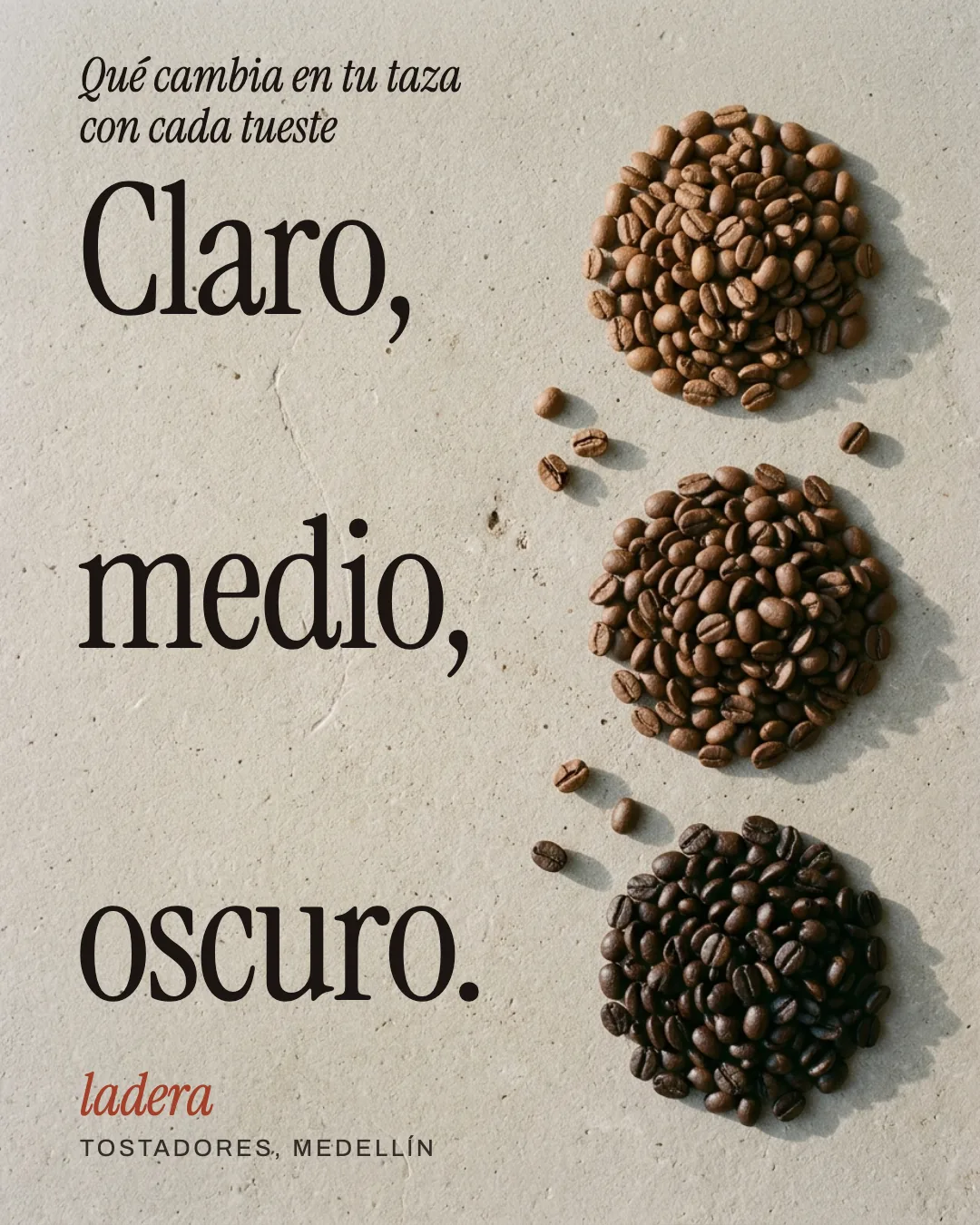
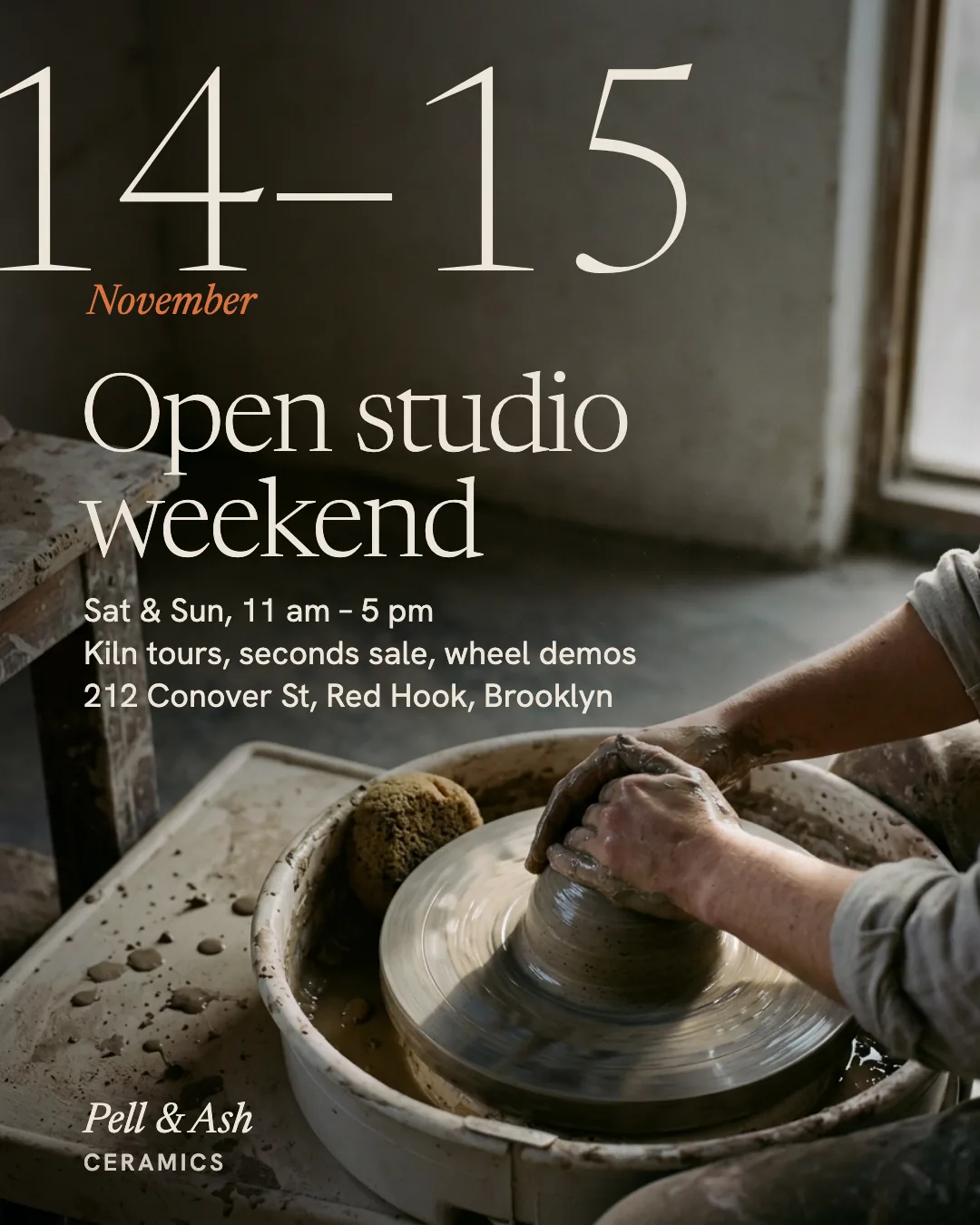
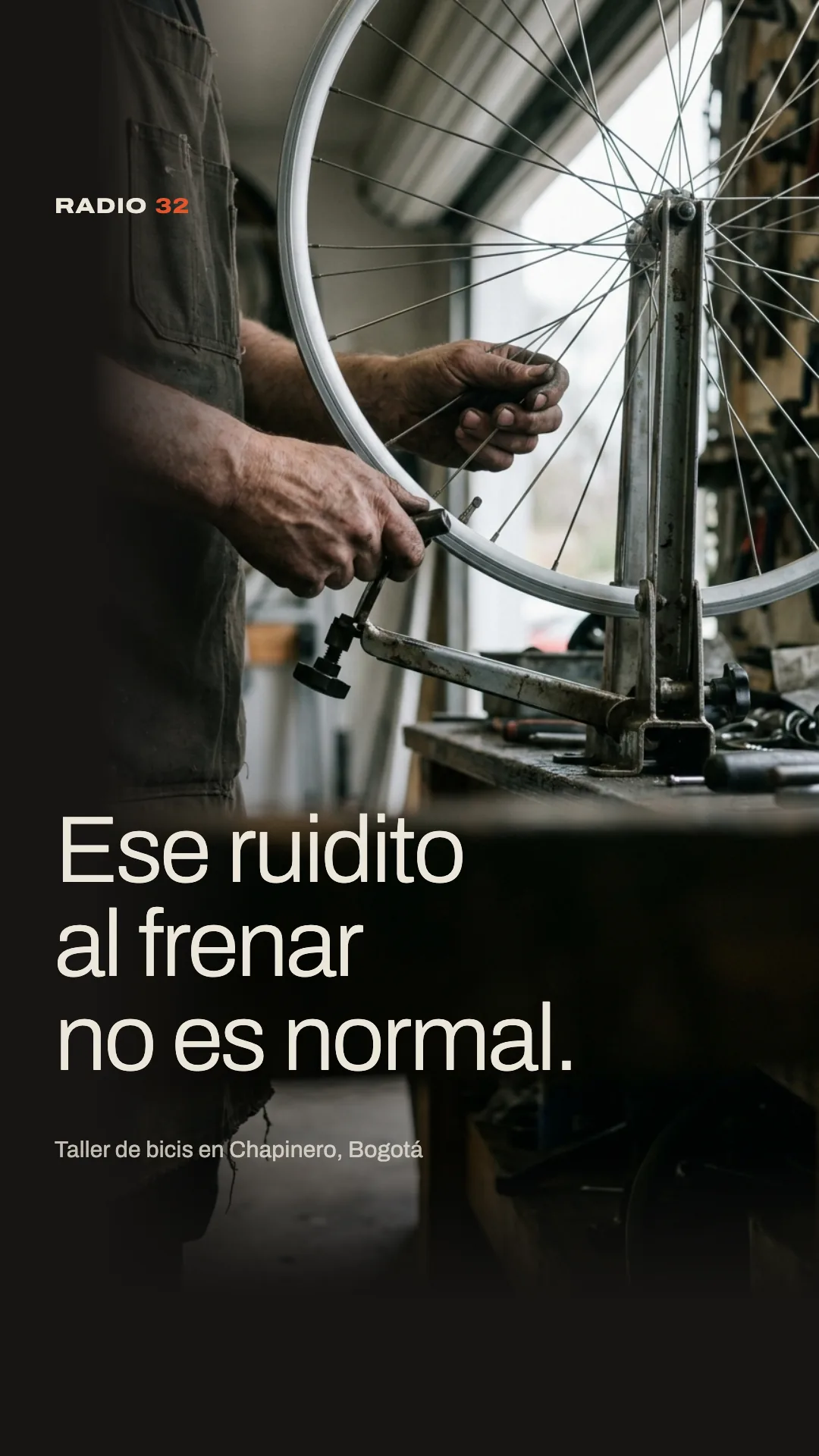
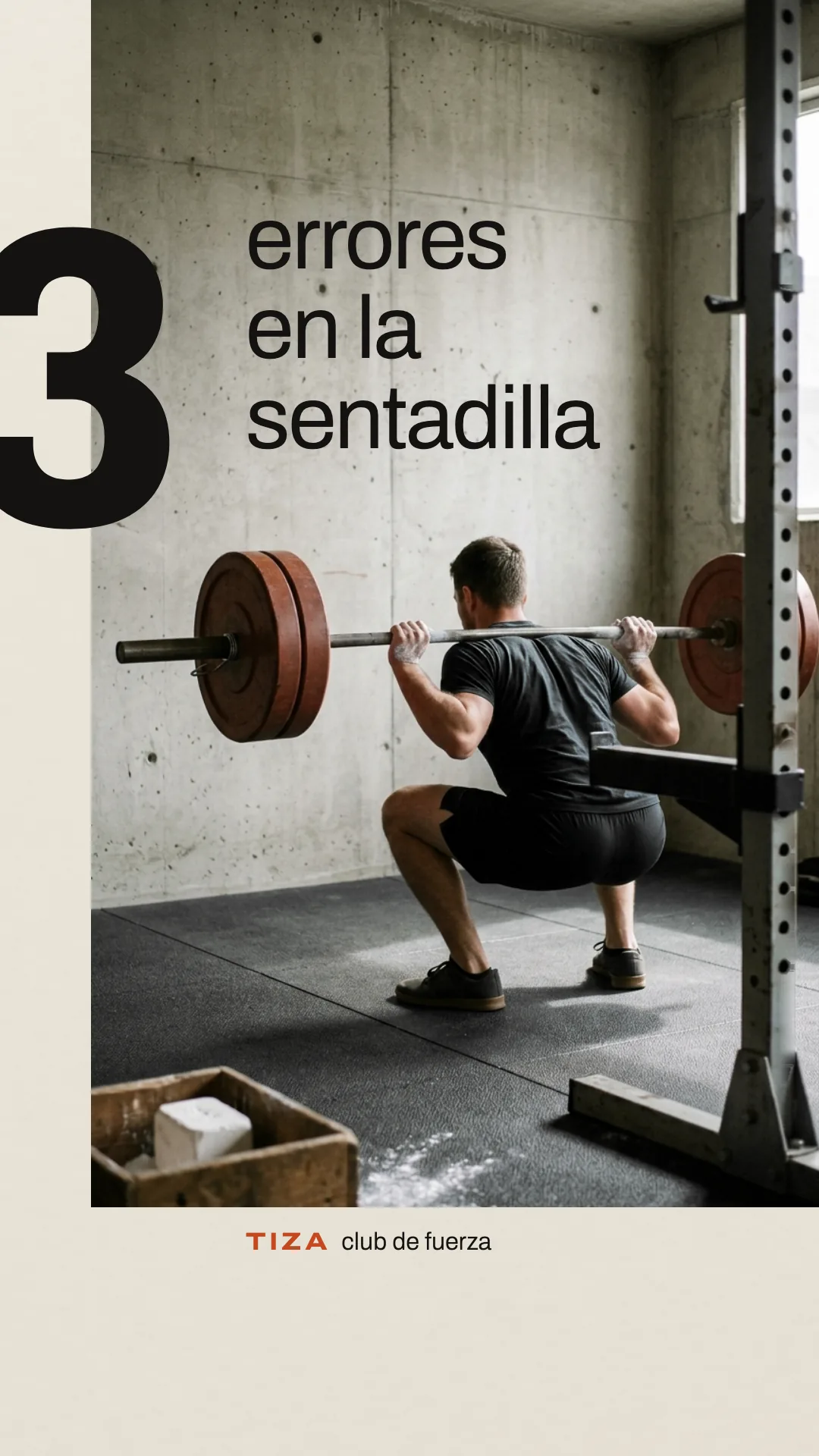
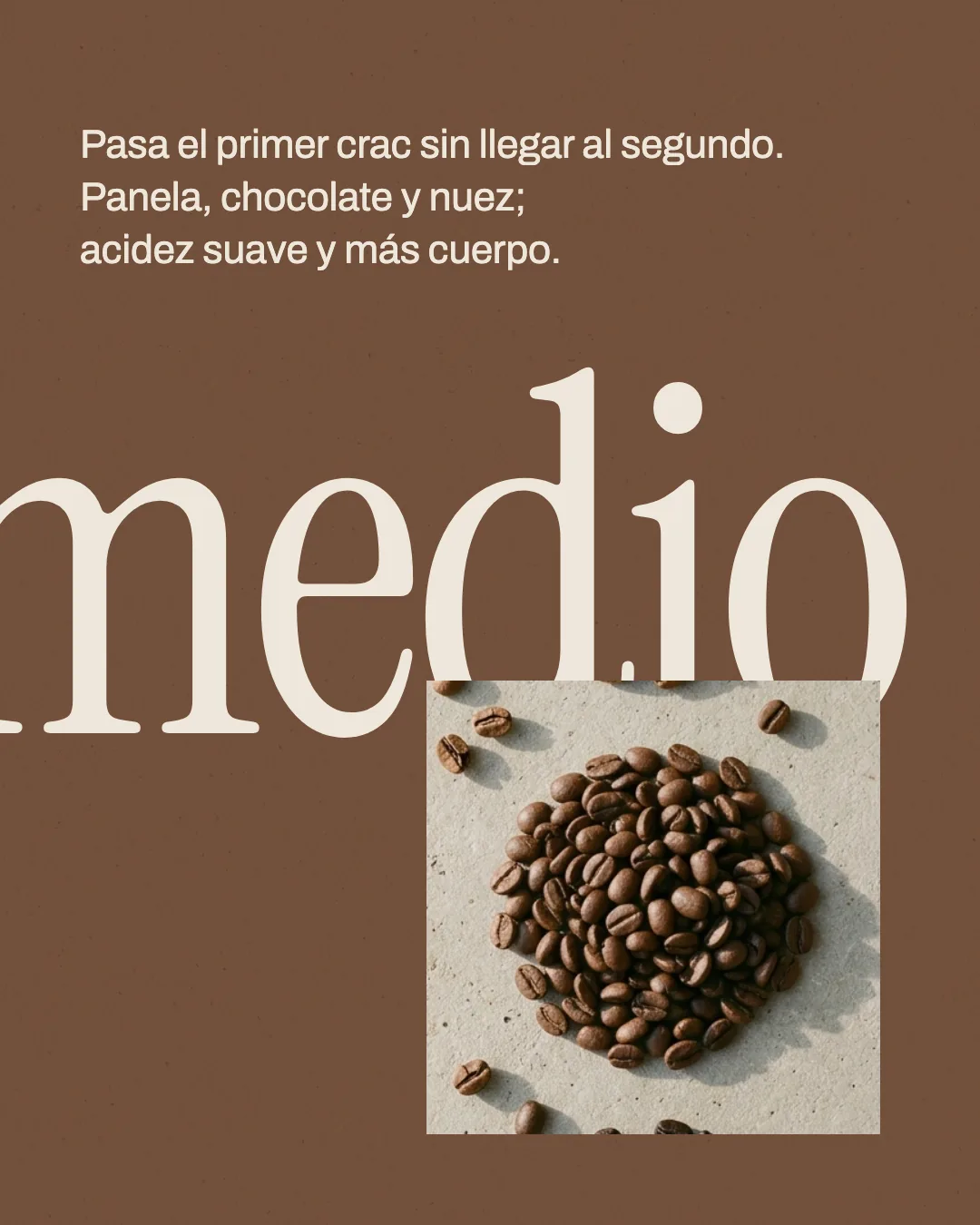
Pieces made with the kit, for made-up brands



Under the hood
Built on Claude Code (agents, skills, hooks and workflows) with JavaScript, Python and Bash. Task plans are saved to disk, so long jobs survive context limits. Hooks enforce the rules for models, permissions and paid calls. The mod gives the leading session its rules and a pane with what is still open, and leaves out of every agent what it doesn't need. Images, music and voice go through a bridge on Cloud Run that holds the Google credentials and one shared ledger, and refuses whatever the balance, minus a reserve, can't cover. An update channel delivers new versions on macOS and Windows. In the two projects built with the plan-to-product method, 120 of 124 pieces passed their check on the first try. I keep a record of 34 cases where orchestration went wrong, and the rules come from it.